
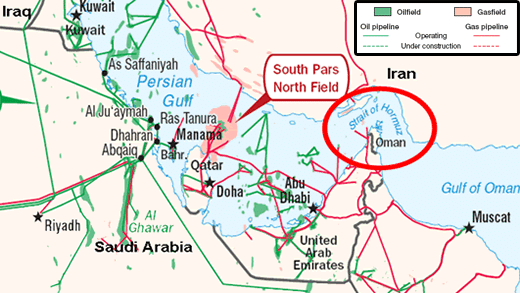
In the world of ag aviation, we talk about “precision.” Whether it’s a perfect swath or a perfectly timed application, small margins matter. Right now, a small margin of water thousands of miles away—the Strait of Hormuz—is dictating the price of every acre you plant this season and our flight line.
A Brief History of the World’s Artery
The Strait of Hormuz is a slender stretch of water—only 21 miles wide at its narrowest point—linking the Persian Gulf to the open ocean. Since the 1970s, it has been the world’s most sensitive energy chokepoint. The Strait of Hormuz connects the Persian Gulf to the Gulf of Oman and the open ocean. Historically, it has been the world’s most sensitive maritime artery. For decades, it has served as the primary exit for nearly 25% of the world’s oil and 20% of its Liquefied Natural Gas (LNG)
In early 2026, geopolitical tensions reached a boiling point, leading to “Operation Epic Fury” and subsequent maritime disruptions. When the Strait is “squeezed,” the world’s energy and chemical supply chains don’t just slow down—they recoil. By early March, the effectively closed status of the Strait triggered what the International Energy Agency called the “largest supply disruption in history.” For the aviation world, this was a direct hit. Nearly 23% of seaborne jet fuel flows through this gap. When the pulse of the Strait slowed, the cost of flying surged
Why It’s Impacting Your Fertilizer Costs Today
You’ve likely seen the price of Urea and Anhydrous Ammonia spike 20-40% since February. Here is the direct link:
- The Feedstock Factor: Nitrogen fertilizer is made using natural gas. With the Strait of Hormuz seeing a 90% collapse in tanker traffic earlier this year, global LNG prices soared. When the “fuel” for making fertilizer gets expensive, the product follows.
- The Supply Gap: The Persian Gulf is a hub for global fertilizer exports. Countries like Saudi Arabia and Qatar account for nearly 30% of global urea trade. With those shipments effectively “trapped” behind the Strait, a massive deficit has hit the market right as the 2026 planting season began.
- The Sulfur Shortage: The Gulf produces roughly 44% of globally traded sulfur, a critical input for phosphate fertilizers. The disruption hasn’t just hit nitrogen; it’s tightened the market for every major nutrient in your soil.
The Impact on the 2026 Ag Season
For our corn, cotton, and premium commodity growers, these global shifts change the math on every flight:
- Adjusted Application Rates: High fertilizer costs are forcing many growers to move toward Maximum Return to Nitrogen (MRTN) models rather than traditional high-rate applications. This makes precision aerial application more critical than ever. When every pound of N costs more, you can’t afford to miss the target.
- Fuel Surcharges: The same energy crisis driving up fertilizer is also impacting aviation fuel. Because refineries lack the specific crude oil types typically sourced from the Gulf, the “crack spread”—the cost to turn oil into jet fuel—has more than doubled. We are seeing logistics costs rise across the board for chemical deliveries and aircraft operations.
- Shift in Crop Choice: We’ve seen some late-season pivots away from fertilizer-intensive corn and toward soybeans or other legumes. For ag pilots, this means a shift in the timing of our “busy season” and the types of crop protection products we’re loading.
Navigating the Rest of 2026
While new production facilities in places like Texas are starting to help buffer the U.S. market, the global deficit remains. Analysts expect ammonia prices to remain elevated through at least mid-2026.
The reality of the 2026 season is that “business as usual” is off the table. Success this year is found in the margins—minimizing ferry distances, optimizing power settings, and using the right airframe for the specific task.
The Strait of Hormuz may be miles away, but its impact is right here on the flight line. By understanding the why behind the volatility, we can better help our growers protect their yields and our pilots protect their margins.
Fly precise. Stay informed. Let’s finish the 2026 season strong.